

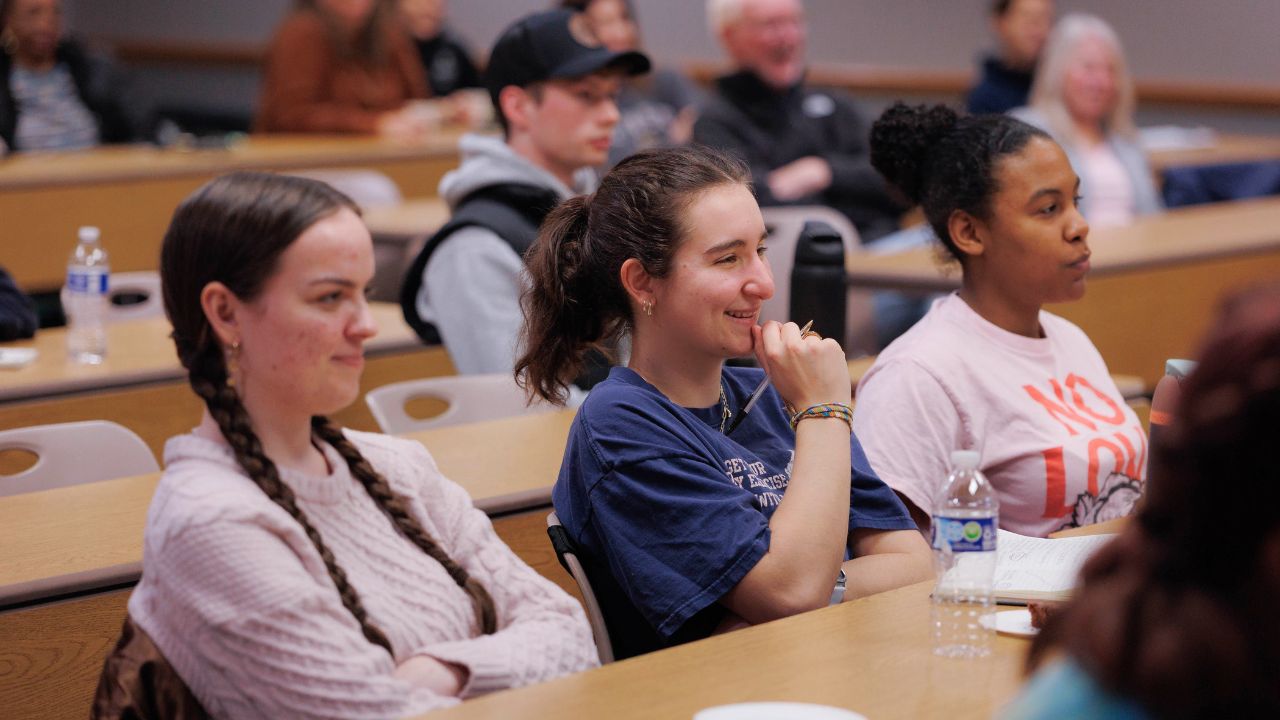
There are many decisions to make when choosing a college. Amidst all the change, some students may not yet know what career path interests them. Students may be questioning: Is it okay if I don't know what major I want to study yet? What does it mean to be an "undeclared" student anyway?
What is an undeclared major?
While many college students, or prospective college students, have likely heard the term, few know exactly what it means. An undeclared major is a placeholder which allows a student to apply to, be accepted at, and begin a career at a college, without having to choose a specific program of study.
To graduate from an institute of higher education, students must eventually declare a major, but many colleges and universities allow students to take up to two years before making this decision. Some actually encourage students to take more time before selecting a field of study.
Why does it matter what major I choose?
Choosing a major is often one of the most difficult and intimidating decisions a student must make. The major a student selects will have an impact on their future career and may define their college experience, so making the choice can carry significant consequences. Even with the help and advice of parents, academic advisors, and admissions counselors, making a decision of that significance at the age of 17 or 18 (the average age of college freshmen in America, according to Gap Year Solutions), can be extremely difficult. Deciding on your interests, gifts, and options for the future may seem impossible so early.
To meet this challenge, the undeclared or undecided major exists. It allows students to experience college life and lets them learn more about their options without having to make a firm commitment to one field of study.
Why wait to declare a major?
While being “an undeclared major” may seem that it suggests a student does not have a plan for life or may be waffling in indecision, many administrators actually encourage students to take their time in choosing a major.
In a 2024 U.S. News article by Anthony Todd Carlisle, Kathleen Roberts of Duquesne University argues for students waiting to select a major. “I just feel that’s a very young age to decide what you are going to do for the rest of your life, and the way universities are structured today, usually deciding on a major is kind of like deciding what your career is going to look like … I wish more students would come to college undeclared.” Others argue that colleges should outright prohibit students from choosing a major until at least their second year of school, such as Liz Freedman in a 2013 article in The Mentor: An Academic Advising Journal.
While that approach may err on the side of caution, there are clearly good reasons to wait to declare a major.
Coming into college as an undeclared major can also offer advantages apart from simply giving time and space to make a decision. It also gives students a chance to build up their GPA, and to take a general education or core classes early, setting them up for a smoother ride for the rest of college.
When would not declaring my major right away be a disadvantage?
For students entering highly competitive or technical fields, such as engineering or medicine, starting higher education without declaring a major can be a disadvantage because students may miss important classes or internships early on. But in most cases, taking an extra year to choose a major costs little to nothing.
How will Geneva help me declare a major?
At Geneva College, undeclared students are assigned faculty advisors who specialize in helping them find their passions and direct them toward the right major. While Geneva has no hard limit on when a student must choose a major, the advisors who guide undeclared students generally encourage selecting a major by sophomore year.
Geneva's Calling & Career Center offers many resources for students as well, including a free career assessment and one-on-one coaching.
Whatever course of study God may be leading a student toward, Geneva’s faculty and staff will do all that can be done to ensure every student finds the path that is right for them.
The Geneva Story publishes content from a variety of contributors across the Geneva College community. The perspectives, experiences, and conclusions expressed in this content are those of the individual authors and do not necessarily reflect the official views of Geneva College, its leadership, or its editorial staff.

Luke MacKenzie
- Luke MacKenzie '26 is a former English literature and writing student at Geneva College and a former writing intern in the Office of Marketing and Communication.
- View author







Recent Articles
The Trinity Psalter Hymnal: A Ministry of Song
Matthew DeGraaf: Leading Through Service
First Phase of Brig Renovations Completed
My Vision For Commuter Life
From Data Centers to Water Policy: One Student's Journey of Discovery
Mark Taylor Presents Love, AI, and Speaking for Yourself
Coping With Homesickness in College
Junior Sydney Schmied Publishes Her First Novel
Professor Emeritus James Gidley Honored at Orthodox Presbyterian Church General Assembly
A Closer Look: How Do I Know What College is Right for Me?