

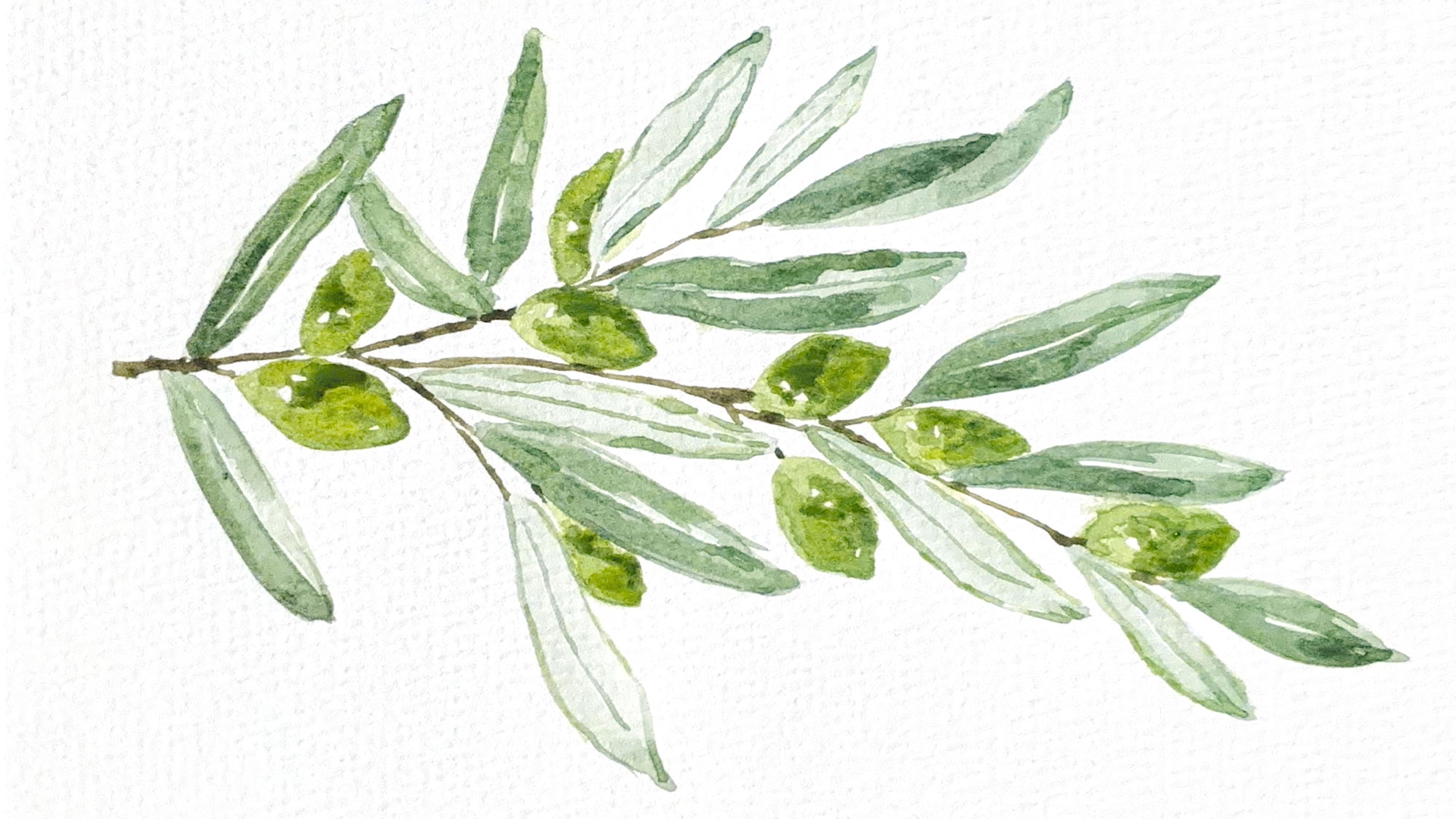
Certain created objects deserve to be made in excellence; too often, quality and excellence are sacrificed in the name of industrialization and ease. On this topic specifically olive oil is the expert: a beautiful and helpful product of a tree that is full of health, history, and intrigue. Olive oil is an appropriate symbol of the authenticity that should be sought after in every area of life. From a nutritional standpoint, olive oil is medicine from its tree that balances the right ratio of types of fats, bringing healing and molecular stability to the body. From a traditional standpoint, quality matters when it comes to processing; a disregard for particular work, patience, and the value of the product steals the authenticity of a high quality specialty.
From Memory: Olive Groves in the Hills of Florence (Spring 2025)
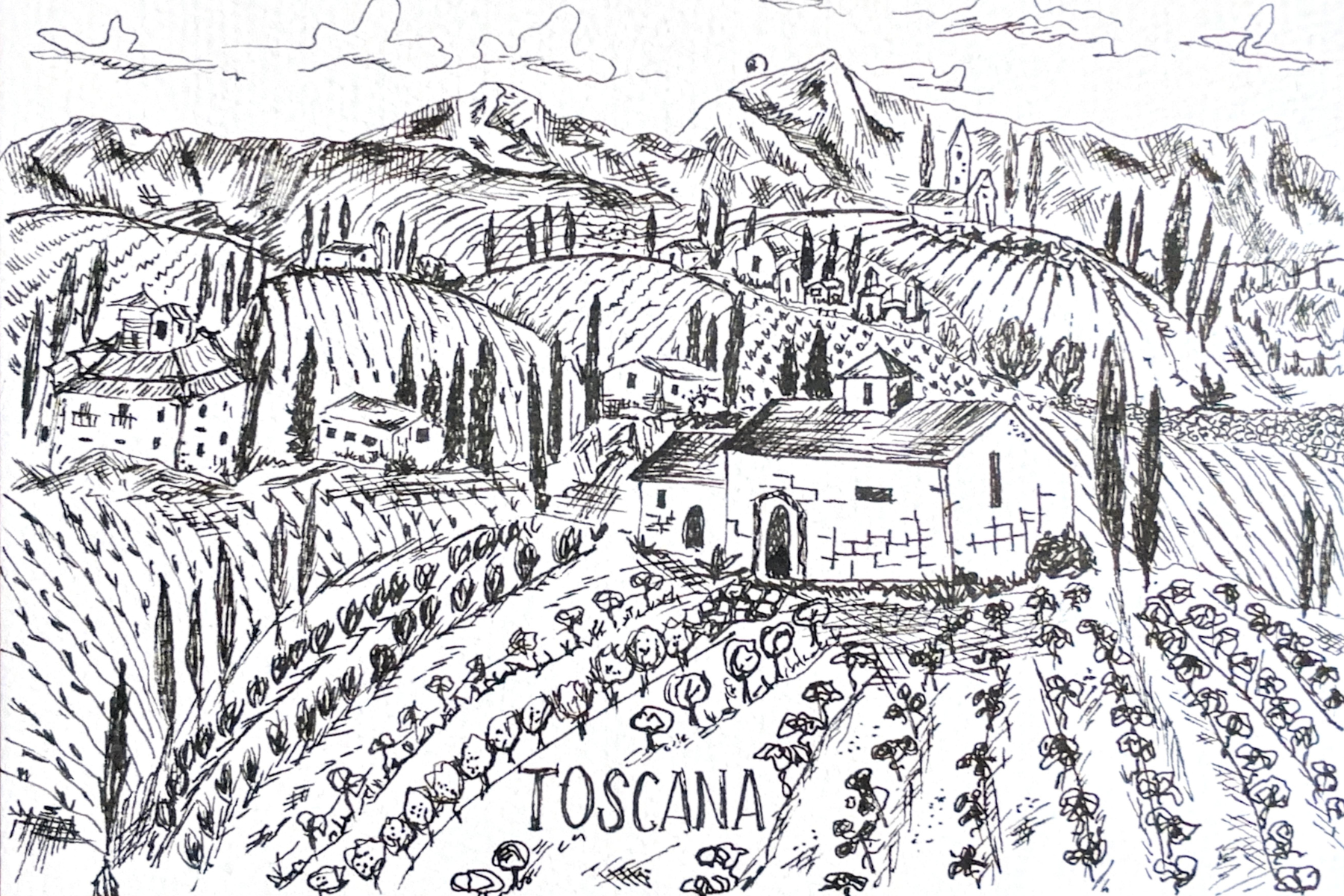
As I climb the stone pathway up the hill, I look behind me at the river Arno that cuts through Florence; it seems to separate the medieval stone arches and streets from the green hills laced with gardens. I turn back to the small cobbled street and look ahead to what will take my full attention and admiration for the next few hours: a small path winding through villas and farms lined with silvery green elders of the countryside. The air grows cool and sweet as dappled sunlight dances through the branches above. I pass the cream villa with the orange tree leaning over the side and the little spotted dog that peers over the fence atop the side-walls. I walk by the wafting honeysuckle and the little cacti that climb and peep over every corner. Even the crystal sound of children laughing in a school yard a little ways off will only make me stop with a smile for a moment. I am close, now, to my favorite point which in U.S. parks would be labeled “scenic overlook”; here in Italy, it is one of many farms. The stucco villa walls lower to one of stone over which I lean; above the whimsical wisteria bathed in warmth of sunlight I finally see the hills and villas surrounded by rows of olive trees. These trees possess some allurement in and of themselves, their curious twists and gnarled bark ending in elegant sprays of those silvery leaves that shimmer and wave. On hills they are planted in neat rows while in meadows and little crannies they reign supreme unhelped. On at least one occasion this particular view of the countryside of Florence was tempting enough to make me consider if I should work for the olive farm below. I am a great lover of trees and quite often throughout my life I have found myself before one with a sense of awe and great calm; all they represent, all the response to beauty they evoke, and all the intricate workings inside the plant cell walls never cease to make me think and wonder.
The Beauty, History, and Symbolism of the Olive Tree
Off of every highway or place to visit lies some sort of crop or produce grown by an agricultural company or small farm; yet only on rare occasions will fields of corn or the like contain such deserving sublimity that they cause a young person to romanticize the idea of spending time among them and learning about their historical impact on the surrounding culture. Olive trees are undeniably a source of beauty and intrigue that symbolize much of the natural good and conviviality that is a part of the Italian polis. These trees are associated with the flora of the Mediterranean and have been for centuries. They grow naturally and neatly, and are a favorite for cultivation. They can grow in screens to act as a windbreaker or to add to the landscape aesthetic with their ethereal blue and silvery foliage. In the late 18th to early 19th centuries various artists traveled to Southern Europe and were enchanted by the mystery of the olive tree. Painters such as Monet, Van Gogh, Degas, and Matisse have beautiful renditions of olive groves or trees growing on the hillsides; they wonderfully capture how natural beauty can be seen and appreciated in different lights. They saw the trees differently and the beauty did not lay in their eyes but in the trees themselves.
Biblical references have made the olive tree a symbol of peace, and scripture further highlights the glory and grace that is contained in this piece of creation. In Italy the olive tree has become a symbol for strength and resilience because of its incredible ability to withstand time and weather; they have been known to grow for hundreds, even over a thousand years. Olive trees produce olives in great quantities, by which a possible twenty gallons of olive oil can be produced from one tree per year. Olive oil is perhaps one of the most intricate processes of refinement. It necessitates a high quality process that will preserve the benefits of the oil which results in a high quality product. In Italy olive oil is known as green gold. Olives are one of the only fruits from which a healthy fat is produced which gives it intrinsic good qualities. Olive oil is anti-inflammatory, antioxidant, antibacterial, good for bone skin and hair, controls high blood pressure, maintains hydration and vitamin levels, and has been known to maintain a low weight and protect against anxiety and depression.
Green Gold: Olive Oil, Health, and Chemical Stability
Fats are necessary for a multitude of benefits and maintenance in the body but they can do a lot of harm as well. Heart diseases such as strokes and attacks are usually preventable through diet; atherosclerotic plaques build up in the blood from high LDL cholesterol and clog the coronary arteries. These diseases are usually blamed on unhealthy fats in the diet; the difference between so-called “healthy” and “unhealthy” fats is not as clear cut as it may seem. However, it is agreed around the world that extra virgin olive oil is the best option as it is the least processed and most stable oil. It possesses 73% monounsaturated fat in the form of oleic acid, 11% polyunsaturated fat, and 14% saturated fat; this is the only fat that has high oleic acid and is low in saturated and polyunsaturated fats which is good for reasons that have to do with chemical stability.
Most seed oils are refined using heat to extract the oil; the key with olives is to extract the oil by mechanical cold press. This extracts oil without pasteurizing it at a high temperature, which removes polyphenols, increases acidity, and changes the chemical structure of the fats in a way that makes them oxidized and unstable, or in other words rancid. Non-cold pressed olive oil sometimes requires chemicals, which produces much lower quality oil; any so-called “refined oil” is of very low quality. The next step of proper olive oil production involves a filtration system to remove all impurities, often the technology that raises the price of the best oil. This process is timely, intricate, and requires specific machinery that must be sterile.
Authenticity and Excellence: What Makes True Extra Virgin Olive Oil
Italian cuisine has been refined and made into a quality product, much like the oil itself. Olive oil, the staple of this cuisine, is a product that possesses authenticity; anyone can make and sell olive oil, but high quality, what is called Extra Virgin Olive Oil (EVOO), clarifies the quality and authenticity of the pure oil. When looking for a bottle of EVOO there are specific qualifications that prove the authenticity of the oil, or lack thereof. There are regulations through which producers must send their bottles so that those who enjoy the oil are less likely to be deceived by low quality oil passing as premium. Well-established producers with an old and well-known company will often have awards on the bottle and a stamp of certification that they follow rules and do not cut corners. The best types of EVOO in Italy are labeled D.O.P, or Protected Designation of Origin, to prove the location, quality, processing, and bottling within each region. EVOO must contain levels of free fatty acids below 0.5% and that of polyphenols above 150 ppm. Acidity below 0.8% is the regulated amount, and higher quality oils are often down to 0.25%, which shows better cold extraction. Specific types of olive trees in each region must be used for the oil instead of generic types. A best-buy date will only extend a year past the September/October harvest, and the container will be dark, opaque, or even aluminum to prevent sunlight and heat raising the acidity. Adversely, low quality types of oil are called ‘light olive oil’, ‘pure olive oil’, ‘virgin olive oil’, or are contained in a transparent container. This is the enemy to authenticity of quality olive oil: creating a low quality version and deceiving customers because of convenience, price, and a lack of appreciation of intrinsic good. A Greek sports nutritionist in Italy taught me how to test a spoonful of olive oil; one must test if it smells like a field of grass and trees. One must taste it and see if it has a thin viscosity and a fatty feeling on the tongue and throat that disappears immediately. It must taste a sort of peppery bitter with hints of herbs and fruit; the pungency, distinct from acidity, must make you cough.
Chianti Classico and the Preservation of Quality
I had the privilege and opportunity to attend Chianti Classico in Florence, a regional premium wine convention, with another professor. There is a highly regulated organization within Chianti Classico reserved for extra virgin olive oil which has become a symbol in Tuscany of a force that will preserve the high quality and authenticity of olio d’oliva. As the organization itself says, “The first consortium for extra-virgin olive oil was founded in Chianti Classico territory in 1975 …[and] set production regulations in order to obtain an ever finer and more typical product.” The professor carefully held up a bottle of Chianti Classico olive oil and called it, simply, medicine.
Ordered Love, Beauty, and the Appreciation of Good Gifts
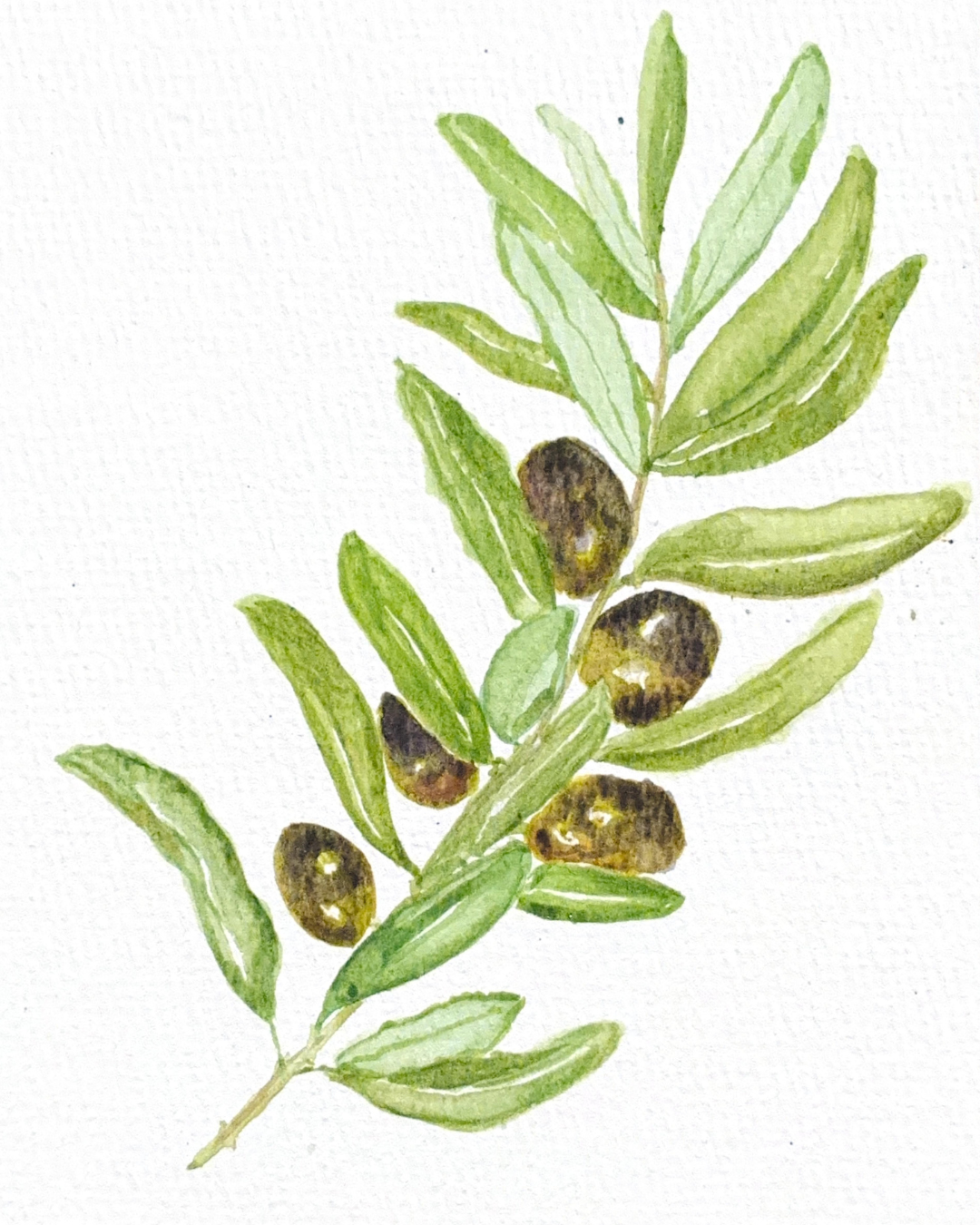
Extraction of olive oil is poetry if done in the right manner. A bridge between the authenticity of quality olive oil and the naturally good and beautiful is not difficult to build. Augustine’s ordo amoris shows that ordered affections will recognize that which is good and beautiful; one will find himself drawn towards that which appropriately deserves recognition. Beautiful and authentic objects both contain goodness and point to their far greater source. As one delights in any form of what is good in itself, it is impossible to behold the olive tree and the fine oil it produces without experiencing some sense of awe and appreciation. C.S. Lewis writes extensively on this idea, quoting another who begs the question: “Can you be righteous unless you be just in rendering to things their due esteem? All things were made to be yours and you were made to prize them according to their value.” The olive tree and the oil of the olive fruit contain value that was created to be used, enjoyed, even prized.
The ingredients of our diet and cosmetics, more than useful, are pleasures. It is true that we desire these resources for our health; might they also be appreciated as unsought and unexpected pleasures? For Lewis again notes that when you enjoy something that is more than useful “you were in want of nothing, completely contented, before it; the pleasure, which may be very great, is an unsolicited, superadded gift”. When using olive oil for internal or external purposes alike, the desire for an oil may be met with an additional unlooked for surplus of goodness and quality. Any good thing may produce this effect, but especially when it is a common enough ingredient that has a grade of qualities. As one man wrote, these unwanted pleasures are a delight and “knowing them is to know life when recognized.” Is this not the point to recognize? We need food to nourish our physical, dependent, bodies; we need polyphenols and antioxidants and monounsaturated fats for our metabolisms to function in ways we may never understand. The Creator gives us resources we can use to make food; it is our choice to either eat only to live or to live to enjoy divine gifts. We can both need and appreciate what we use. Olive oil is but one example of a well-appreciated gift; this begs what other gifts one could appreciate and recapture from unconscious consumerism and materialism. Good gifts wielded as tools can become a means of grace. Dare we miss out on a good gift promised us?
Moderation, Delight, and the Wisdom of Savoring
Knowing the goodness of an object that reflects the glory of the creator is the start to regaining our capacity to appreciate that which is good. Tilly Dilleyhay, author of the 2025 book Broken Bread: How to Stop Using Food and Fear to Fill Spiritual Hunger, on the subject of eating food well, comments “Once you understand the value of something good, it changes the way you consume that thing. You taste it more fully, and you are better able to love it for what it is”. In summary we must savor that which bears savoring. Circling back to olive oil, this reinforces the merit of enjoying a good thing while noting that it will be more truly enjoyed in small amounts. Good quality objects are much better than objects without quality, since nothing of worth is easily gotten. However there is practicality in the fact that one cannot have the finest version of everything they consume. Having a high quality oil and using only a small portion at a time, or enjoying a pleasure only on special occasions, is maybe the best way to enjoy a good thing. Wisdom lies in the balance of moderation when it comes to when, or how often.
Olive Oil as a Symbol of Grace
Olive oil is perhaps one of the best examples of a natural product that contains intrinsic quality and is worth its value. It is made from a beautiful tree acknowledged for its practical and aesthetic properties, grown for centuries, the model of beautiful art. It takes hard work, attention to detail, and patience to produce. True extra virgin olive oil does not pretend to be something it is not but has the credentials to prove its authenticity. It has many health benefits and uses, studied for its scientific and nutritional properties. It is a reminder of how to see creation as a gift to enjoy in addition to merciful usefulness. Olive oil informs the ordered soul of the capacity to appreciate the beautiful. It is good because it is special and it can be appreciated even if one never has it again. EVOO is truly a symbol of grace, a representative of all the gifts that we did not need past their bare helpfulness and yet possess a level of glory. For many reasons olive oil deserves to be made in excellence and used well.
The Geneva Story publishes content from a variety of contributors across the Geneva College community. The perspectives, experiences, and conclusions expressed in this content are those of the individual authors and do not necessarily reflect the official views of Geneva College, its leadership, or its editorial staff.

Audrey McMahan
- Audrey McMahan '26 graduated from Geneva with an independent major in pre-dietetics, an independent minor in nutrition, and a minor in missions.
- View author









Recent Articles
The Trinity Psalter Hymnal: A Ministry of Song
Matthew DeGraaf: Leading Through Service
First Phase of Brig Renovations Completed
My Vision For Commuter Life
From Data Centers to Water Policy: One Student's Journey of Discovery
Mark Taylor Presents Love, AI, and Speaking for Yourself
Coping With Homesickness in College
Junior Sydney Schmied Publishes Her First Novel
Professor Emeritus James Gidley Honored at Orthodox Presbyterian Church General Assembly
A Closer Look: How Do I Know What College is Right for Me?