

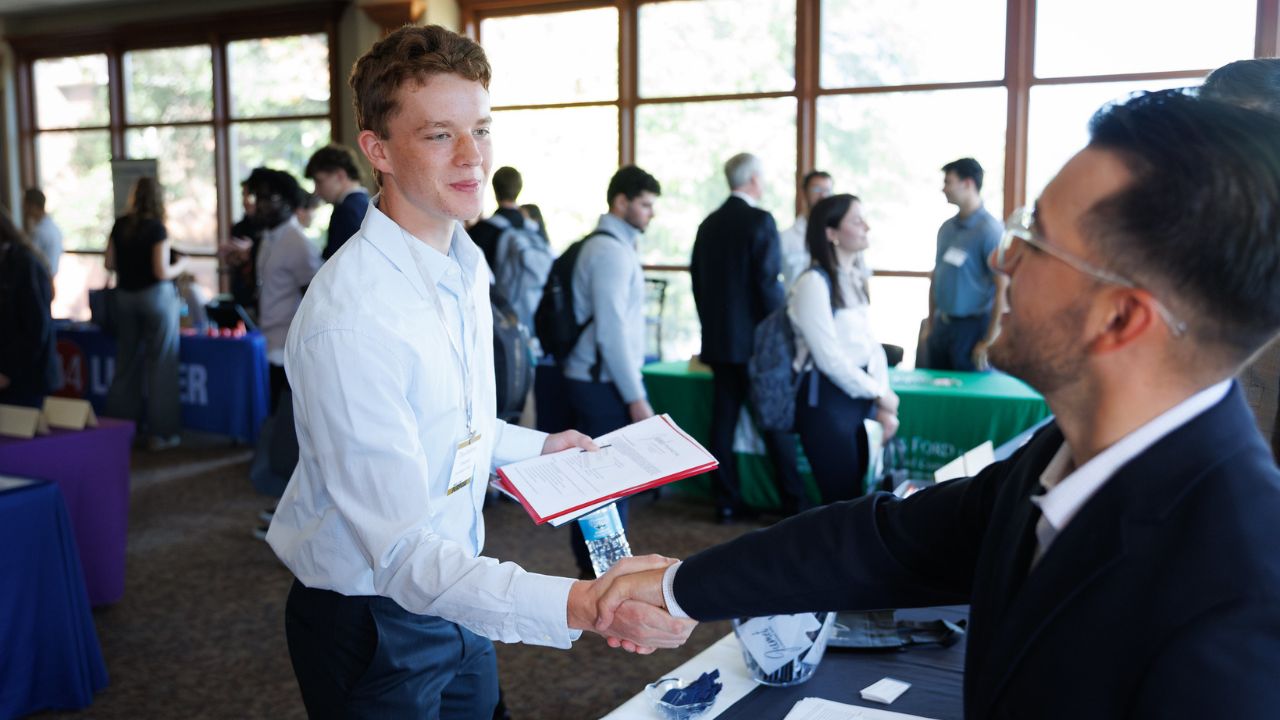

In a world where AI can write resumes, suggest careers, and even answer interview questions, the most valuable advantage your student can build is still deeply human: relationships. In fact, it may be more important than ever. Over the past few months, recruiters have told us that because so many resumes now look nearly identical due to AI, they often feel they need a personal connection to take a candidate seriously.
One recent graduate shared that after growing frustrated with the online job search, she printed several copies of her resume, dressed professionally, and visited several employers she was interested in, in person. Before the day was over, she had a job offer in hand from a company she was excited about. Stories like this make it hard to deny that “in-person” may be back in vogue.
Experiences like these have forced us to reconsider how we coach students as they pursue professional opportunities. Many of us know from personal experience that the word “networking” can make people cringe. It often feels cold, awkward, or transactional. But it doesn’t have to be. At its best, networking is simply building relationships, learning from others, asking thoughtful questions, and staying connected over time.
One way we help students practice this on campus is through periodic “Come and Go Lunches.” Students sign up for a 30-minute lunch session with a specific employer or graduate school of interest, alongside a small group of peers, while enjoying a free Chick-fil-A meal. This takes the pressure off the dreaded one-on-one conversation and gives students a low-stakes way to build confidence. These lunch sessions are in addition to the career fairs we host each year. The goal of every event like this is to help students meet potential employers without ever needing to leave campus.
In addition to organized events, we also coach students on how to begin developing relationships with people and organizations they may eventually want to work for. In a world that prioritizes speed and efficiency, networking is a long game, and one best started early in a student’s college experience.
This is where parents can play a powerful role. One of the first questions we ask students is, “Who do you already know?” followed by, “Who do your parents know?” From there, we walk students step-by-step through how to reach out. It is important that students do the reaching out themselves, not parents, faculty members, or staff. Part of networking is helping students start to see themselves as professionals.
A great question to ask yourself is: Are there people you know who would be good for your son or daughter to talk with? This could be friends, relatives, coworkers, neighbors, or people from your church or community. Encourage your student to ask for a 20-minute conversation (in person or via video call) to learn how that person landed in their role and what their work is like. We encourage students not to ask for a job or internship, but to keep the conversation exploratory. Few people will refuse to share their story.
The goal is long-term connection. Even if a job or internship doesn’t come from the first conversation, it may come later. We’ve seen students build relationships with people who weren’t in a position to offer an internship — but were later able to help them land a full-time role after graduation. When networking is rooted in authentic relationships, the value can last a lifetime.
By Krista Autrey, Assistant Dean of Calling & Career & Strategic Initiatives
The Geneva Story publishes content from a variety of contributors across the Geneva College community. The perspectives, experiences, and conclusions expressed in this content are those of the individual authors and do not necessarily reflect the official views of Geneva College, its leadership, or its editorial staff.






Recent Articles
The Trinity Psalter Hymnal: A Ministry of Song
Matthew DeGraaf: Leading Through Service
First Phase of Brig Renovations Completed
My Vision For Commuter Life
From Data Centers to Water Policy: One Student's Journey of Discovery
Mark Taylor Presents Love, AI, and Speaking for Yourself
Coping With Homesickness in College
Junior Sydney Schmied Publishes Her First Novel
Professor Emeritus James Gidley Honored at Orthodox Presbyterian Church General Assembly
A Closer Look: How Do I Know What College is Right for Me?