

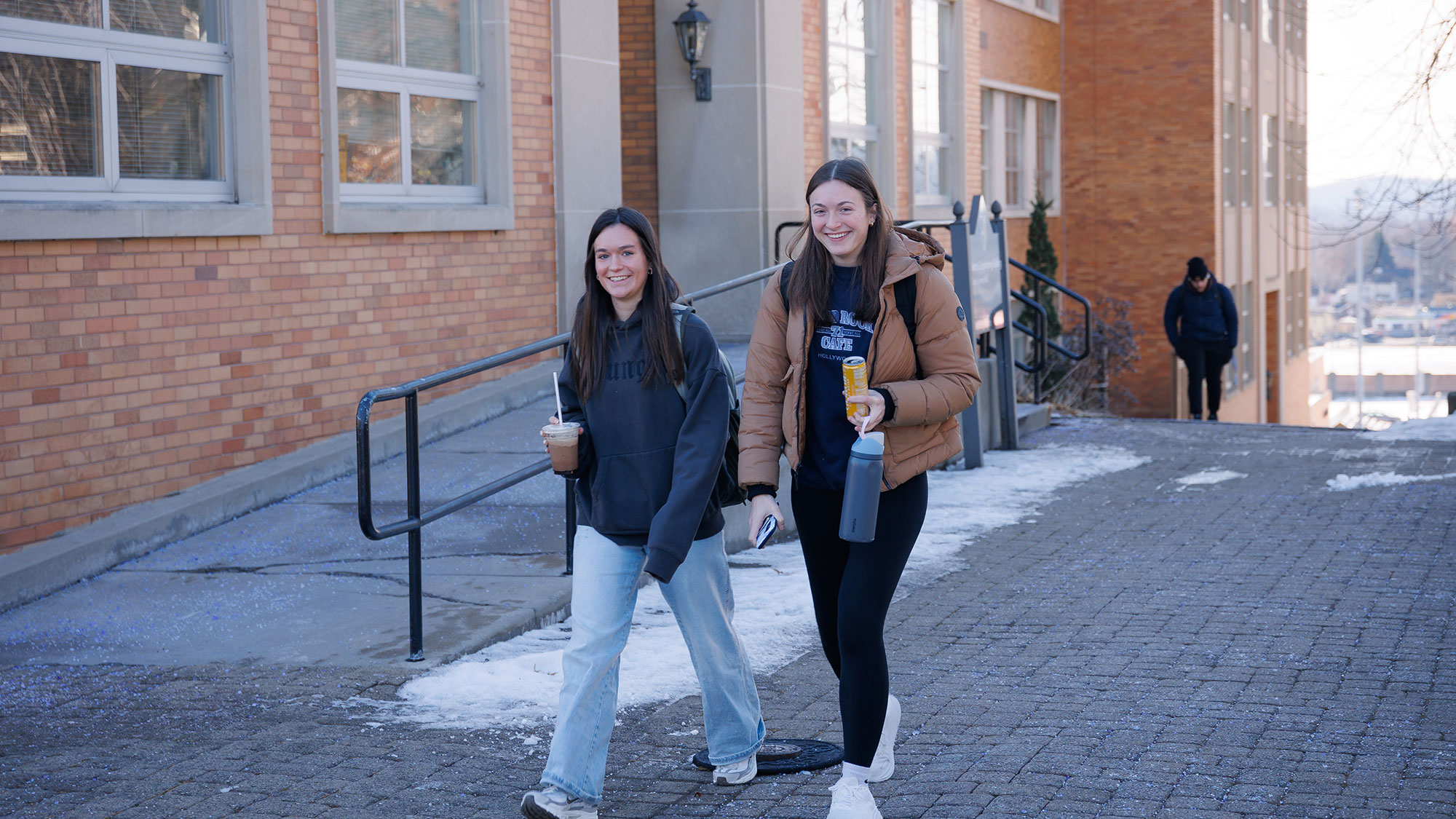
College students can start to feel homesick and it’s a normal feeling as they are away from familiar faces and in a new environment. Amy Solman, director of health and counseling services at Geneva College, says, “It's important to emphasize that some level of homesickness is very normal, because change is hard for most of us.” Solman also shares that most symptoms are short-lived but can affect people more than they realize.
Common Signs of Homesickness According to Solman:
- feeling sad/lonely
- missing familiar people, places, foods, and traditions
- mood swings and anxiety
- difficulty concentrating
- wanting to withdraw
- changes in sleep and appetite
- headaches and stomachaches
However, Solman says, “Homesickness is really common and is not a problem to be ‘fixed.’” She recommends taking one day at a time and asking yourself how to make today better. It is not a permanent “illness,” and students can overcome homesickness and adapt to life away from home.
Student Coping Mechanisms
A few students at Geneva shared insights on how to cope while at college. They emphasized that having a solid friend group was key to feeling at home. These students said they found a college family at Geneva where they spend free time together and encourage one another in daily activities. They also mentioned that having a good relationship with roommates can help make your living space feel homey and become a safe space.
Geneva students additionally shared more relaxed activities that reminded them of home such as:
- watching family favorite movies or personal favorites
- listening to familiar songs and soundtracks
- cooking a favorite meal or finding a familiar restaurant to occasionally treat yourself
- reading a kid’s book
Scheduled Virtual Family Time
Many students emphasized their use of virtual family time as refreshing and gratifying. They also like sending small updates through text or sharing a photo. Solman says that setting a scheduled call or Facetime with family members is beneficial to students while keeping themselves on campus. She advises students not to go home every weekend (for those who are close enough) if they can help it, because it can reinforce their homesickness when they return to campus.
Dangers and Solutions
Homesickness is something that lingers and, if it progresses, it can negatively impact how a student functions physically, emotionally, spiritually, academically, and affect their relationships with others. It additionally can manifest into dangerous feelings such as comparison. Comparing yourself to other students who adjust faster — or those who may not feel homesick at all — can become discouraging. Solman says, “It's helpful to avoid comparing how you are adjusting to how your friends here, or at other schools, are adjusting. Some students can settle in quickly while others need more time.”
Getting over homesickness is not a competition but it is a personal mindset that calls for specific needs. Solman recommends, “Focus on one day at a time — ask yourself, 'What can I do today to make things better?’ vs. ‘How can I make it through the next four years?’”
Solman encourages students to attend events and eat meals together, join a club, and attend resident hall activities to get involved on campus and with other students. You don’t have to do everything at once. One event a student can attend is Wellness Wednesday, which is hosted by Geneva’s Counseling Services to help students relax and take a break from school duties.
Seeking Additional Help
Homesickness is not a disease, but if it is prolonged, students should seek help as it may cause worse symptoms. Solman encourages students to reach out to their resident advisor or resident director, or a faculty member for additional help.
Geneva College offers free counseling services for students who might need extra reassurance.
The Geneva Story publishes content from a variety of contributors across the Geneva College community. The perspectives, experiences, and conclusions expressed in this content are those of the individual authors and do not necessarily reflect the official views of Geneva College, its leadership, or its editorial staff.

Julia Vander Plaats
- S. Julia Vander Plaats '27 is an English writing and marketing student at Geneva College and a writing intern in the Office of Marketing and Communication.
- View author





Recent Articles
The Trinity Psalter Hymnal: A Ministry of Song
Coping With Homesickness in College
Junior Sydney Schmied Publishes Her First Novel
Professor Emeritus James Gidley Honored at Orthodox Presbyterian Church General Assembly
A Closer Look: How Do I Know What College is Right for Me?
Faith-Life Integration and the Lord of Excellence (Vol. 1, Issue 1, Fall 2026)
More Than a Competition: How Covey Cup Builds Community at Geneva
Geneva College's 2026 Distinguished Service Awardees
A Closer Look: Does College Make Sense in the Age of AI?
Geneva College's 2026 Alumni Awardees