

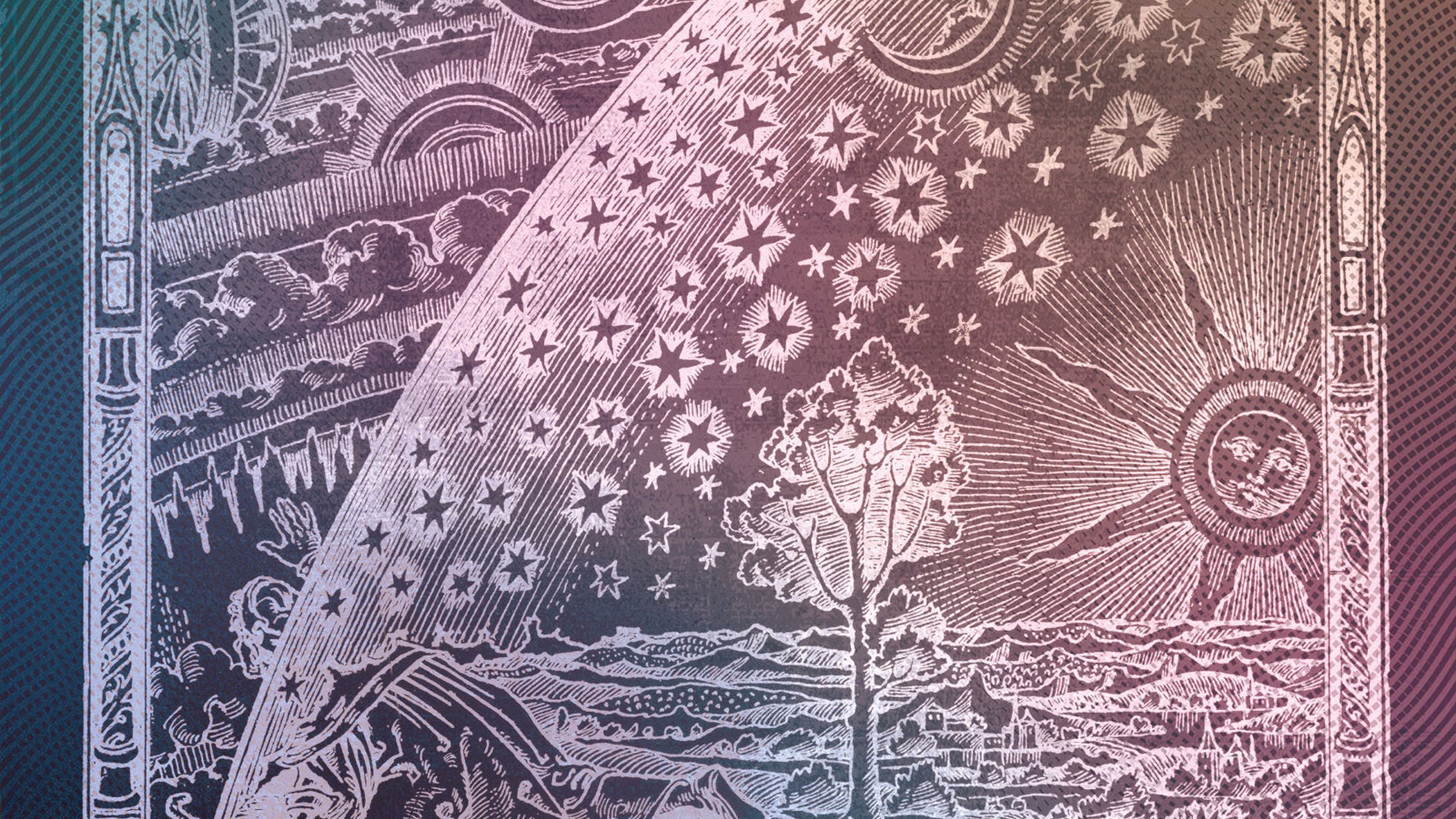
The executive director for Geneva's Center for Faith & Life, James S. Spiegel, PhD, published a new book this past summer through Cascade Books entitled A Thing of Beauty: How Everything is Art and Art is Everything.
Many marvel at how Leonardo DaVinci possessed excellence in seemingly diametrically opposed areas of study: art and science. In conversation, if I encounter someone who is has equal strengths in the arts and sciences, I tend to refer to them as a “DaVinci brain.” DaVinci himself did not find this striking. He encouraged others to, as he paraphrased to have put it, “Study the science of art; study the art of science. Learn how to see. Realize that everything connects to everything else.”
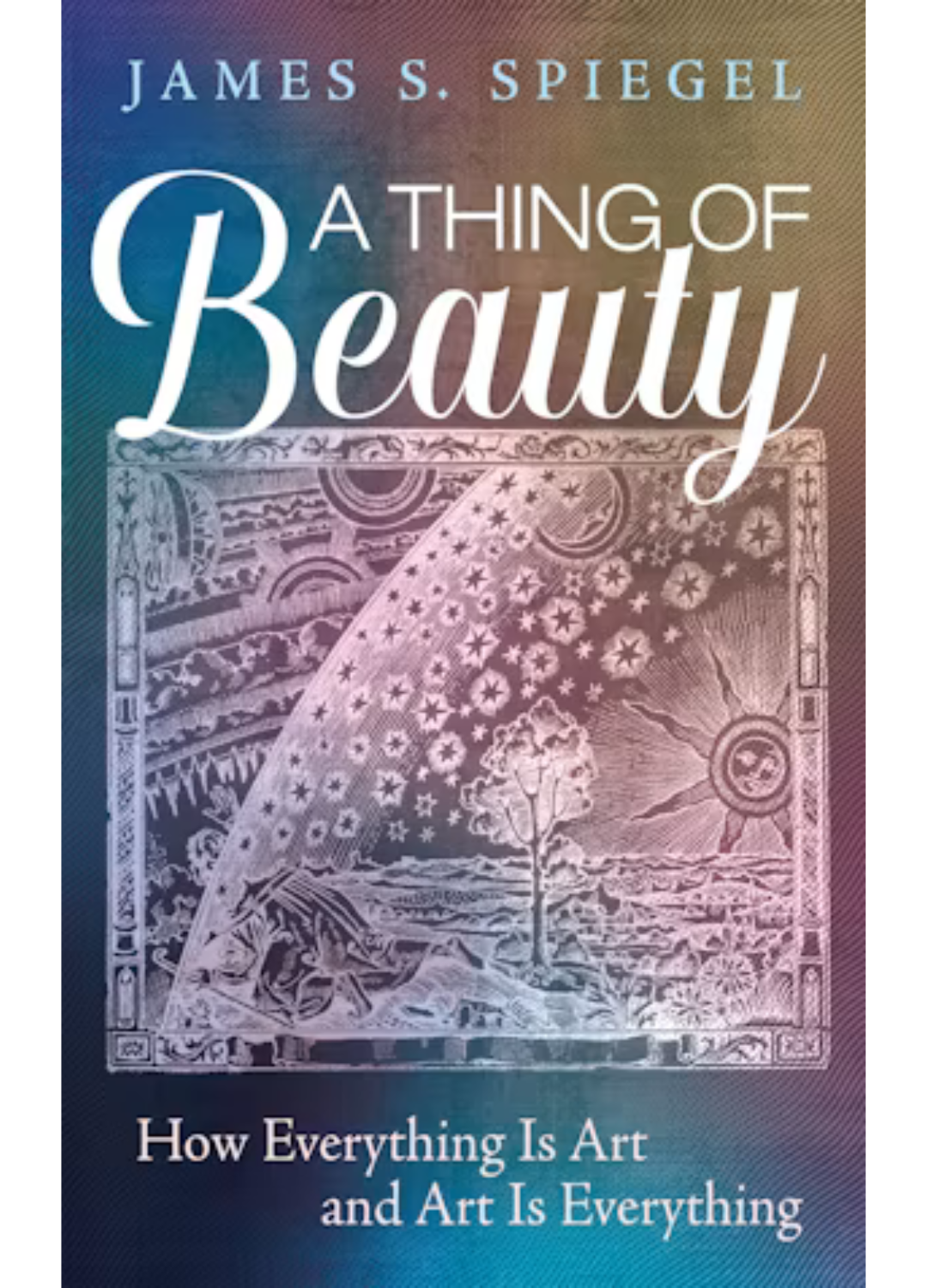
Spiegel takes this unified approach to polymathy through that lens of art and connection in his new book, but brings the important third element to the discussion: faith.
He writes,
“However we definite art, the cosmos qualifies as art. For one thing, the universe is an artifact—God’s “handiwork,” as a psalmist puts it. And the Artist’s ideas and emotions are evident in what he has made, in all dimensions of creation, from its physical constituents to the narrative of human history and the moral sphere. All of these aspects are interesting, even fascinating. Every part of creation may be appreciated for its own sake and is a source of aesthetic satisfaction.
The term “glory” is used throughout Scripture in reference to God, particularly with regard to his purposes in creation and human history. It is easy to overlook the fact that this is an aesthetic term. To speak of God’s glory is to refer to the magnificent beauty of his being. And to say that “the chief end of man” is, as the Westminster Catechism puts it, to “glorify God and enjoy him forever” is to articulate the meaning of life in aesthetic terms. To glorify God is to honor, appreciate, or take pleasure in his beauty. Now if God is an artist, then it isn’t just the physical world that is his artwork. Literally everything that the divine Artist has made must be considered an aesthetic achievement. And every field of study may therefore be conceived accordingly. In fact, if the aesthetic perspective—or “Divine Art Paradigm,” as I shall call it—is so fundamental, then thinking in these terms should give us new meaning and purpose to every aspect of human life.”
A Thing of Beauty is available for purchase through Cascade Books and Amazon.
The Geneva Story publishes content from a variety of contributors across the Geneva College community. The perspectives, experiences, and conclusions expressed in this content are those of the individual authors and do not necessarily reflect the official views of Geneva College, its leadership, or its editorial staff.

Misty Mator
- Misty Mator '24 is a digital storyteller at Geneva College.
- View author









Recent Articles
Engineering Students Connect with Alumni at Michael Baker International
The Dragon Symposium Takes Flight
Geneva Professor Wins State Excellence in Teaching Award
Massie Named New Golf Coach and Director of Athletic Operations
Breaking Life Wide Open: Sarah Johnson’s Success in Nursing and Baseball
Beauty and Divine Artistry: Center for Faith & Life Director Publishes Book
Caroline Reed: At the Crossroads of Politics and Business
Men’s Cross Country Captures Second Straight PAC Championship
Five Years of Preparing STEM Teachers Through an NSF Grant
Geneva’s Historic 1926 Victory Over Harvard