

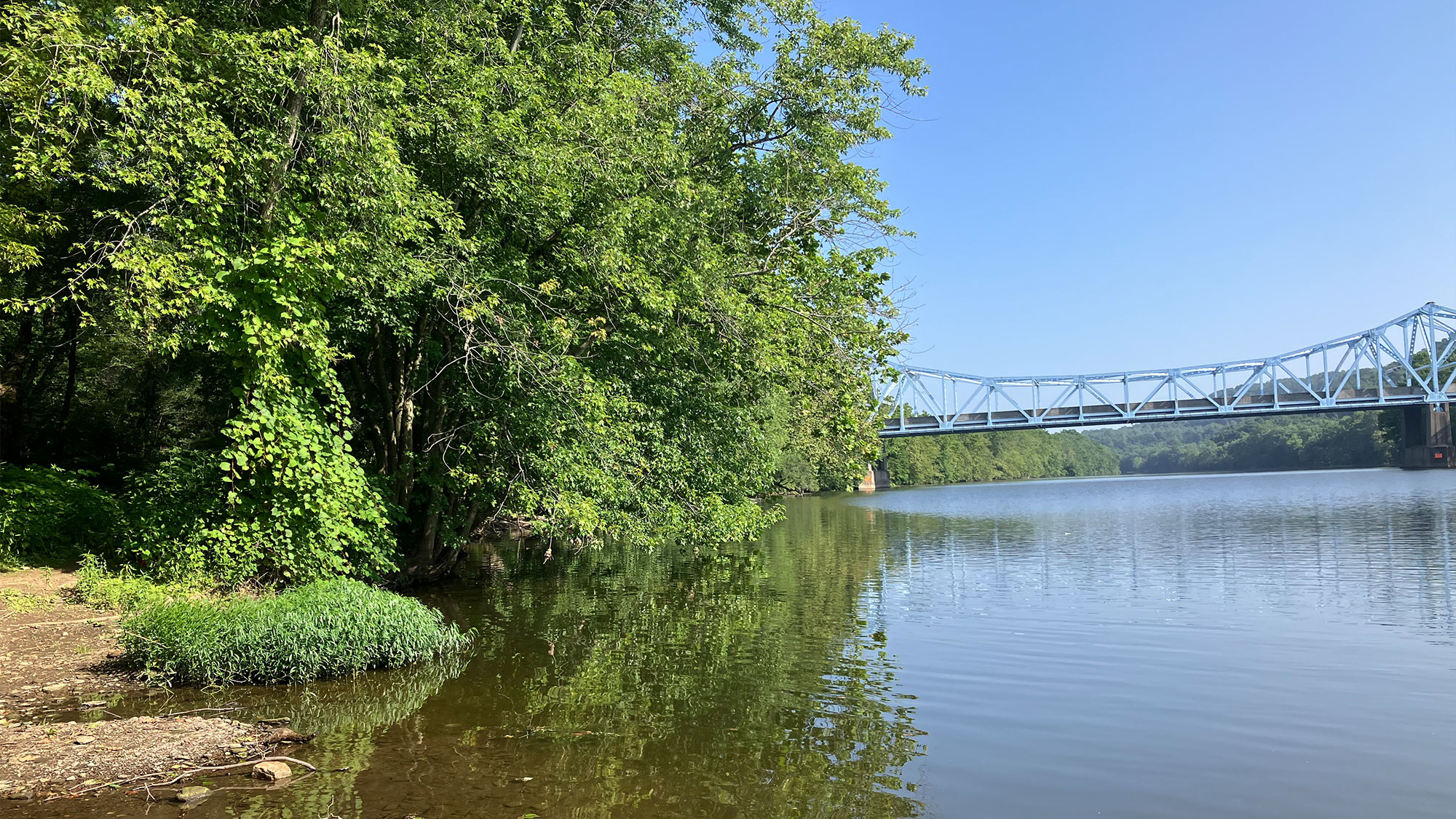
This summer, my students and I have been traveling to the Beaver River and one of its tributaries to collect water samples. Each trip begins with us walking on overgrown footpaths, ducking beneath low branches, and carefully avoiding briars. While these plants may seem like obstacles on our way to the stream, they are doing one of nature's important jobs.
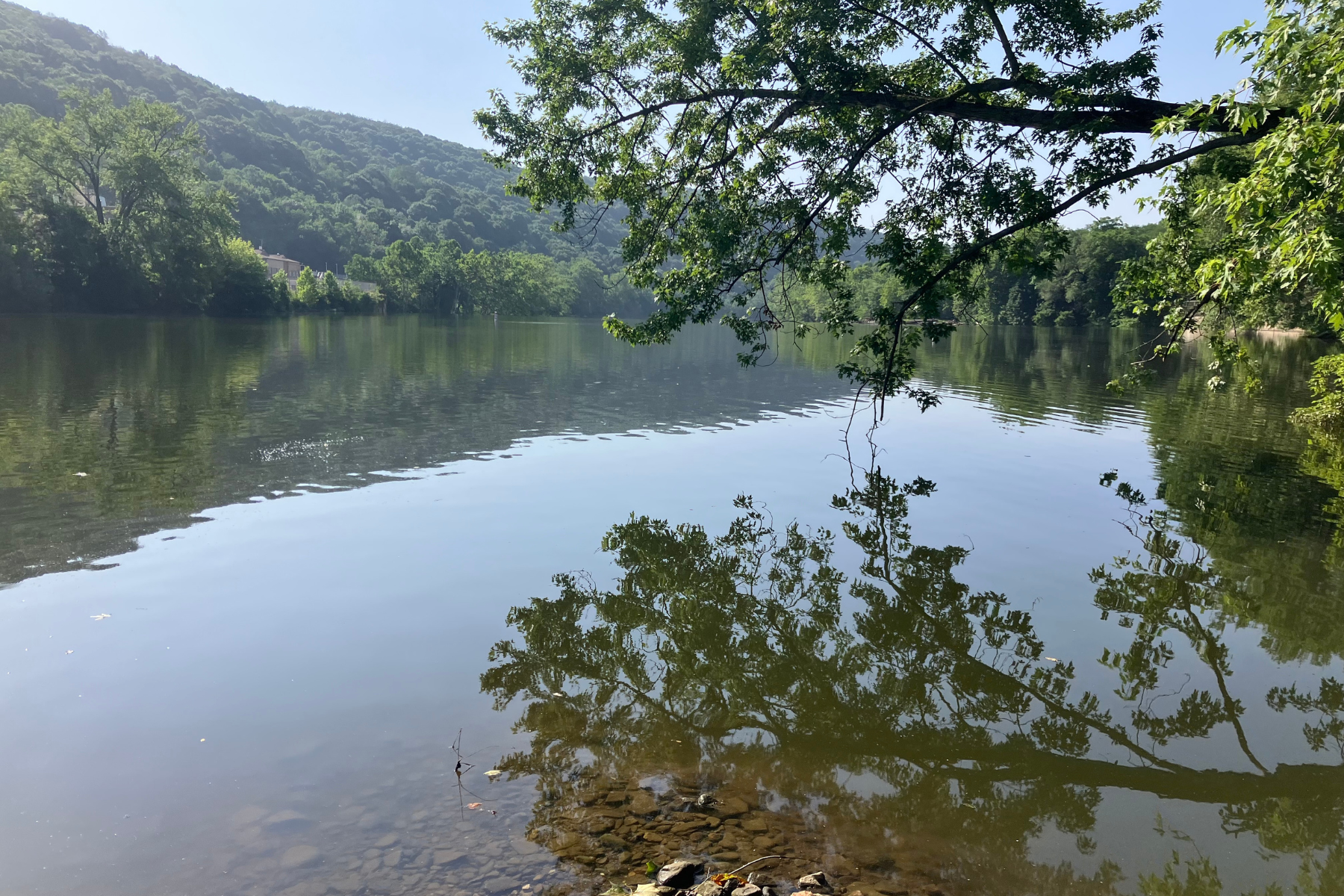
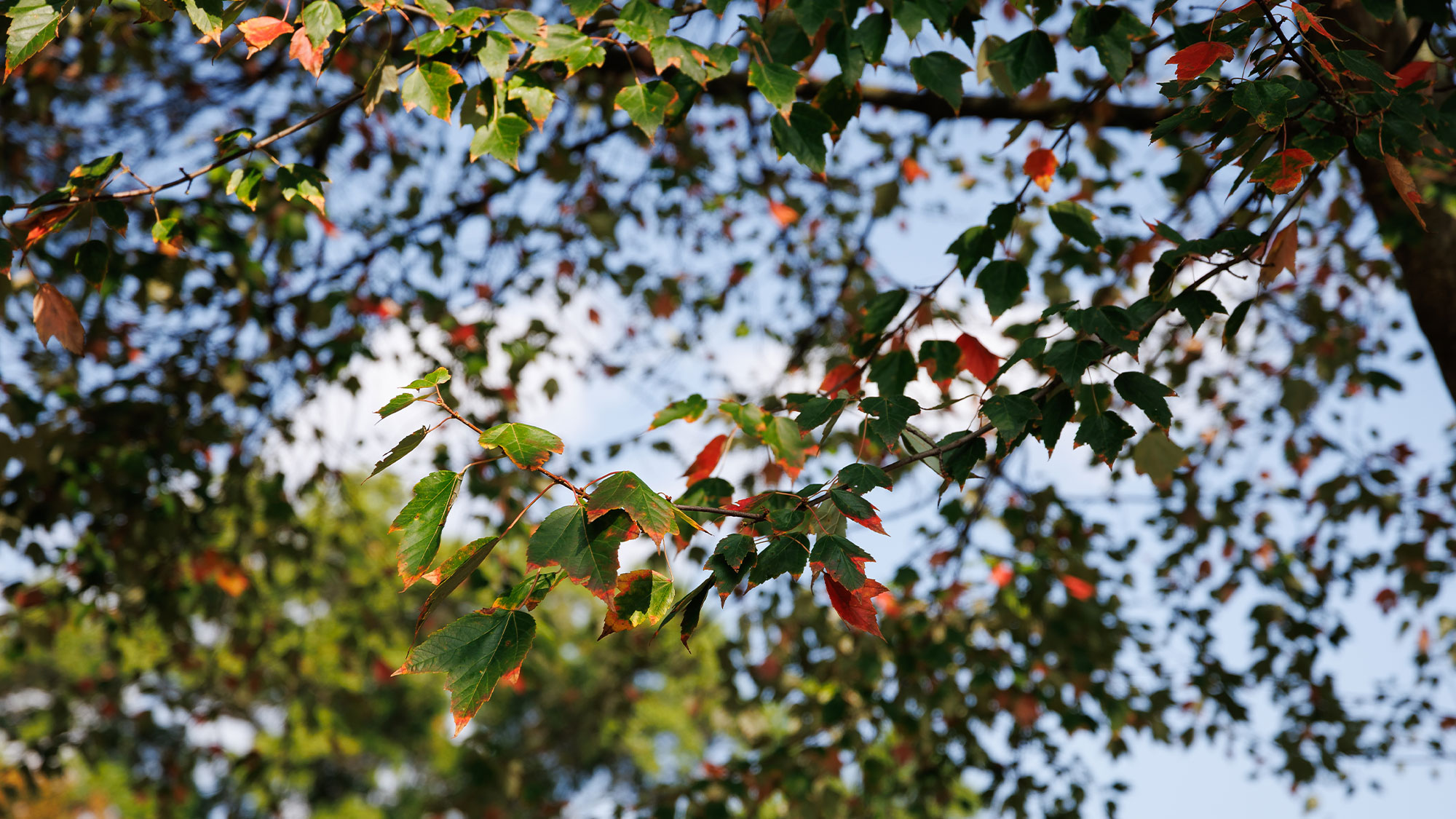
Trees, shrubs, and grasses growing along streams form a barrier that protects the water. Their roots stabilize streambanks, and these plants slow and filter runoff before it reaches the river. As we've studied these waterways this summer, I've been reminded that what appears to be a jungle of plants is actually one of God's designs.
Perhaps the psalmist noticed a relationship between healthy trees and water. When describing a righteous person, he wrote:
"He shall be like a tree planted by the rivers of water, that brings forth its fruit in its season, whose leaf also shall not wither; and whatever he does shall prosper" (Psalm 1:3).
Trees planted beside streams do flourish because of the water they receive and, in turn, they help protect the very waterways that sustain them. This reciprocal relationship provides a picture of both God's design in creation and our calling to steward it well.
What is a riparian buffer?
Scientists call these living barriers riparian buffers — bands of trees, shrubs, and grasses that grow alongside streams and rivers. The healthiest riparian buffers contain a diverse community of plants, especially trees. Trees help prevent excess nutrients and other contaminants from reaching streams, and sometimes these systems are called riparian forest buffers as a nod to the trees. The flow of water after a storm is reduced by a riparian buffer, and vegetation, along with microbes, will consume nutrients in runoff before they reach the stream. This reduction in both surface and subsurface water flow helps maintain better aquatic ecosystem conditions by preventing algal blooms and elevated bacterial levels, both of which can result from excess nutrients.
For example, Brady’s Run Park and Raccoon State Park, both located not far from campus, have lakes with designated swim areas. Their swim areas have occasionally been closed because of elevated E. coli levels after storm events. One factor that can contribute to these water quality problems is insufficient upstream riparian buffering, which allows more runoff to reach nearby waterways.
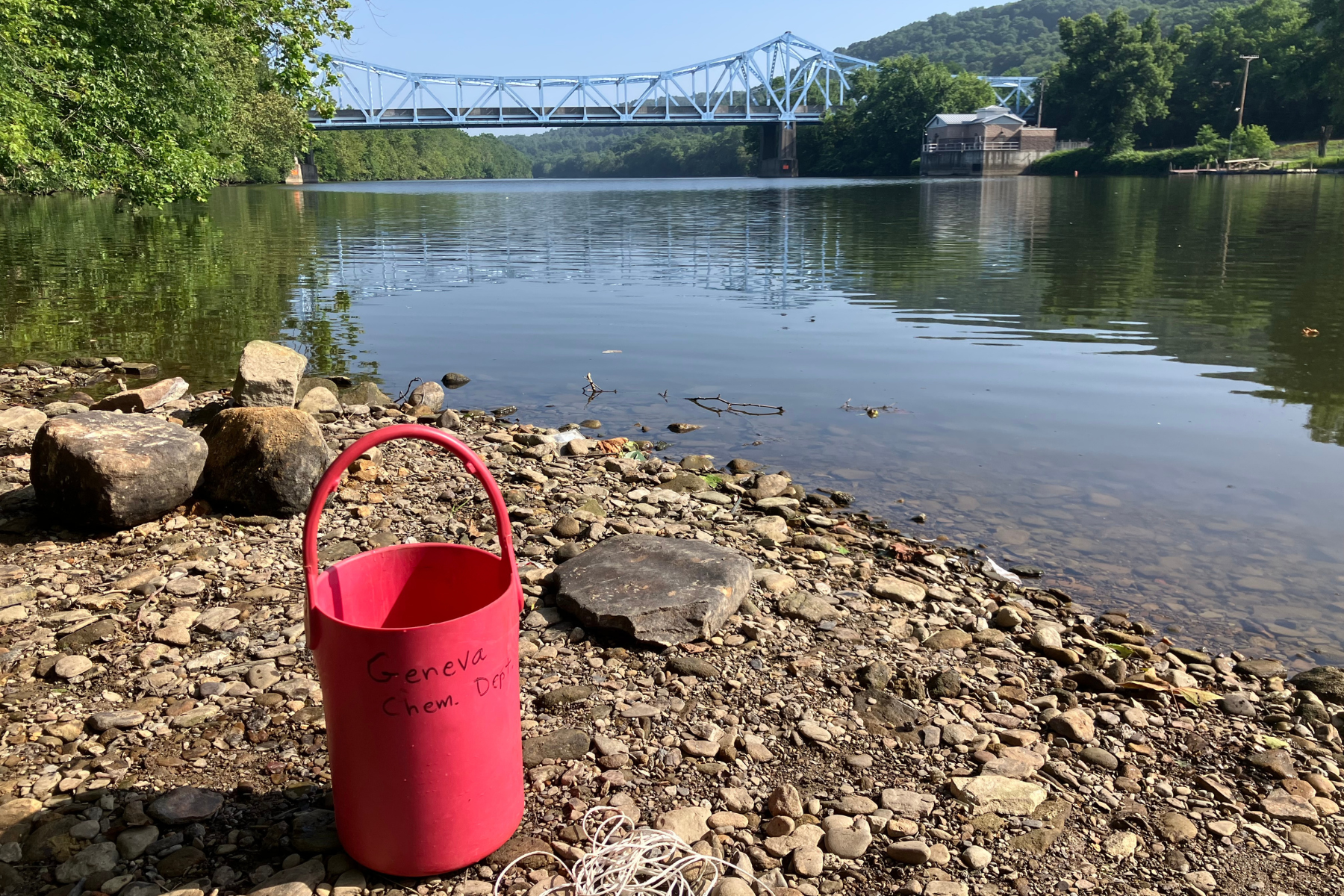
These nearby examples are one reason the term "riparian buffer" resonates with me as a chemist. In general chemistry, a buffer is a solution that resists changes in pH when an acid or base is added, thereby maintaining the current conditions. In a similar way, water quality is maintained by a riparian buffer by slowing and filtering runoff before it enters the stream. This process reduces the input of contaminants and excess nutrients, such as fertilizers from nearby yards and fields.
Our work this summer includes monitoring these local waterways for various compounds, including salt. Yes, you read that correctly: salt.
One growing concern in western Pennsylvania and the Northeast is the increasing salinization of streams from winter road treatments. While deicing is essential for public safety, it introduces significant amounts of salt into the environment each year, especially in years with greater snowfall. As snow melts, dissolved salts are carried by runoff into nearby waterways, increasing their salinity. Downstream, this change is detected at water treatment facilities via conductivity measurements.
Because of this concern, my students and I are using field kits to measure salt levels in local waterways throughout the year. By tracking these changes over time, we hope to better understand both the extent of stream salinization and whether healthy riparian buffers help reduce the movement of salt into nearby streams.
Like the tree "planted by the rivers of water," these riparian forest buffers improve our natural resources. As my students collect samples and study these water systems, they see firsthand that caring for creation begins with understanding how it works. Their relatively small contribution can go a long way.
The Geneva Story publishes content from a variety of contributors across the Geneva College community. The perspectives, experiences, and conclusions expressed in this content are those of the individual authors and do not necessarily reflect the official views of Geneva College, its leadership, or its editorial staff.

Rodney Austin
- Rodney Austin, PhD, is a pofessor of chemistry and the chair of the Department of Chemistry, Math, & Physics at Geneva College.
- View author







Recent Articles
Cammie Crouse: Becoming a Beaver Falls Police Officer
Faculty Awards Presented at the 2026 Academic Convocation
Ashley Heinlein Joins Geneva Faculty as Instructor of Education
Encouraging Whole-Person Student Development at Geneva
Volleyball Coach Wendy Smith Announces Retirement at End of 2026 Season
6 Vital Connections for Back to College
Geneva’s Education Department Gains Assistant Professor Noah Stachelek
Why Sabbath Rest Matters in Higher Education
Jay Cost Joins Geneva Faculty as Assistant Professor of Political Science
Micaiah Armstrong: Facilitating Fun at the Beaver County Special Olympics